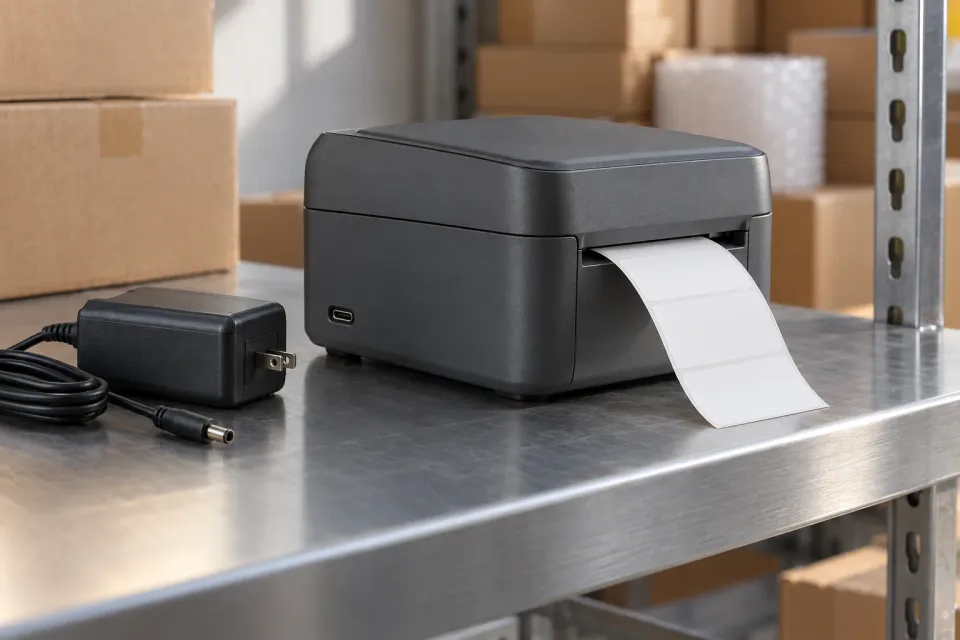
A visitor from a ChatGPT ad can know which kind of product they need while still missing a decisive fact. How much does it weigh without packaging? Which operating mode does the capacity figure describe? What does the named connection actually do? The specification should answer these questions without requiring the visitor to decode a supplier’s internal abbreviations.
For the advertiser, the task is to make documented product properties useful after a paid click. Start with the exact model reached through the ad. An accurate technical figure for another version does not help someone evaluate the offer on this page.
Choose facts around the purchase question
Read the ad’s product promise and write down the technical questions it raises. A product presented as portable needs an understandable weight figure. A message about repetitive work may require documented capacity. Prioritise the facts needed to assess the particular use described in the advertising.
This is an editorial selection, not a claim about which attributes affect ad delivery. OpenAI documents that a standard chat-card ad has its own destination URL. Review the specification at the actual campaign destination. OpenAI: Campaign Management.
A short facts section can sit above a more detailed specification. The short section answers immediate buying questions; the detail preserves other documented properties. A qualification does not become less relevant because it needs explanation. Keep essential conditions with the figure when shortening its presentation.
Give each specification row four parts
A useful row includes the property, value, unit and necessary condition. “Weight: 0.8 kg without power adapter” communicates more than “0.8” beneath a generic Technical heading. Say which part of the product is being measured. Product weight, shipping weight and packaging weight need distinct labels.
Consider a hypothetical label printer. “40 labels per minute” needs qualification if the manufacturer’s documentation specifies a particular label format or operating mode. Do not shorten that figure into an unconditional speed promise. Keep the condition beside the number and provide measurement details where they matter.
Avoid putting a unit only in a table heading when individual rows also appear as separate cards on mobile. A detached row should remain understandable. If a product family mixes grams and kilograms, choose a useful display unit and check the conversion against the original source.
Four parts of a usable specification
- Property
Name what is measured: printer weight, rather than shipping weight.
- Value and unit
Hypothetical value: 0.8 kg. Keep the unit with the number.
Checkpoint - Condition
State, for example, that the weight excludes the power adapter.
Checkpoint - Model and source
Attach the row to the correct model and its verified documentation.
Preserve the kind of value being reported
A maximum, a typical value and a documented range communicate different information. Retain the supplier’s qualification when rewriting the specification. “Up to” should not disappear between a data sheet, the page summary and the advertising copy.
Check whether figures apply simultaneously or to separate operating conditions. When documentation lists several modes, identify the mode associated with each value. Do not add the stated capacities of separate ports and present the total as the product’s capacity without explicit supporting documentation.
Missing information also needs a clear meaning. “Not stated in available documentation” differs from zero and from not applicable. Give blank cells a defined status during editorial preparation. The visitor should not have to guess whether a property is absent or the shop simply omitted its value.
Name interfaces and explain documented functions
An interface can have several relevant descriptions: the physical connection, its function, and a documented standard or version. Present the levels that help the buyer understand the product and that the source actually provides. A familiar connector name should not silently carry all of these meanings.
In the hypothetical printer example, the documentation might name a USB-C connection. If it also describes the connection’s function, state that function separately with its documented limits. Avoid inferring charging behaviour, transfer speed or available functions solely from the connector name.
These details describe the product itself. Whether the customer’s existing equipment works with it requires a separate product compatibility check. Keep that boundary clear so a list of connections does not become a broad promise of support for every environment.
Keep the facts attached to the selected model
Identify the model name or item number covered by the specification. Review what changes when someone chooses another variant. Where values differ between models, the brief facts section and the full specification should reflect the same selection.
OpenAI states that product-ad templates use details and destination URLs from the feed. This makes the selected product’s landing address a practical review point: open it and identify the model described by its facts section. OpenAI: Product Feeds.
The wider ChatGPT ads product-feed guide covers catalogue preparation. For this task, retain a traceable relationship between the product, its variant and the technical source. If two documents disagree, resolve that question before using either value in an advertising promise.
Explain the measurement without promising an outcome
Add a brief explanation after specialist terms when the intended reader needs it. Describe what the measurement concerns rather than predicting the experience it guarantees. Documented resolution, for example, can be explained as a technical property without promising perfect results in every situation.
Keep terminology consistent across the summary, specification and downloadable data sheet where possible. If the original uses a different term, include it in parentheses. This helps a careful buyer find the supporting passage and prevents translation from creating an apparent difference between identical properties.
Use appropriate precision too. A rounded display value should not look more exact than its source. If rounding would change a purchase threshold, preserve the original precision or explain the approximation. Readability should make the evidence easier to use while retaining its meaning.
Review the facts through the advertising link
Finish with a reading exercise in which a reviewer receives only the ad and its destination. Ask them to identify the advertised model, interpret one measurement and explain one interface’s documented function. These questions examine comprehension; they do not estimate future sales.
Record where the reviewer needs to guess and improve that specific row. Check that units and conditions remain visible on mobile and after a variant change. Once someone can understand what each important figure describes, the specification has a clear role in the purchase journey from the ChatGPT ad.
Sources and scope
Help advertisers present verified measurements, units and interfaces for the advertised product so visitors can evaluate its technical properties before buying.
Working methods and examples are editorial suggestions. Check current platform requirements and available features before implementation.