“Support included” can mean very different things to a seller and a customer. The seller may mean email guidance during working hours. Someone arriving from a ChatGPT ad may expect installation help, a person available at the weekend or direct access to a technical specialist. The purchase decision depends on which interpretation is correct.
Use the destination page to explain the help that follows the purchase. The customer needs enough detail to judge whether that help fits their intended use. A full troubleshooting manual is unnecessary at this stage, but an attractive promise without an accountable owner is not enough.
Describe the help through recognisable problems
Ask the support owner which requests the team handles for the advertised product. Turn the answer into situations a buyer understands: getting started, interpreting an error, choosing an accessory or checking an order. Internal labels such as first-line support do not explain what the person will receive.
Distinguish advice from work performed on the customer’s behalf. Installation support might provide written instructions, a remote session or an on-site visit. Use the form the business actually offers. A photograph of a visiting technician can undermine an otherwise accurate statement about email guidance.
Explain the closest meaningful boundary. If the team supports its product but does not investigate unrelated equipment, say so in practical terms. Avoid sending customers to a vague list of standard exclusions to discover a limitation central to their intended use. Keep the complete package contents elsewhere; this section explains the help available when the purchase raises a question or a problem.
State whether assistance is included in the price or charged separately. For time-limited support, explain when coverage starts and ends. Separate introductory help from later troubleshooting where their terms differ. If urgent help exists, describe its route and conditions; do not call a route urgent if requests simply wait until the next normal opening time.
Identify a useful first contact
Name the business or team receiving support requests. A customer should understand whether this is the seller, the manufacturer or an outside service partner. “Contact us” becomes ambiguous when several organisations appear on the page without a clear division of responsibility.
Separate sales contact from support contact. The person who helped choose the product may not investigate a fault. The guide to identifying who receives an enquiry covers the initial relationship. Here, show the route for someone who has already bought and needs help with that purchase.
Where a partner is involved, describe the handover. Does the seller send the case on and provide updates, or does the customer contact the partner directly? Both descriptions imply concrete work. Publish the one that happens in practice, including any information the customer needs to carry into the next conversation.
Attach time promises to the right event
Receiving a request, responding to it and resolving the problem are separate events. A form that accepts messages overnight does not establish overnight staffing. An automatic acknowledgement does not show that someone has assessed the issue.
For any published hours, identify the days, times and time zone. Check how holidays and planned closures affect the wording. If telephone support and email support operate differently, state the difference where customers choose between them. Otherwise, they may reasonably apply the most prominent hours to every channel.
Explain what a first response means. It may request more information, offer an initial assessment or suggest an action. Do not describe that response as a resolution when the problem could need investigation. Where a time is an operational aim rather than a firm commitment, choose language that preserves the distinction.
Test the explanation against weekend use
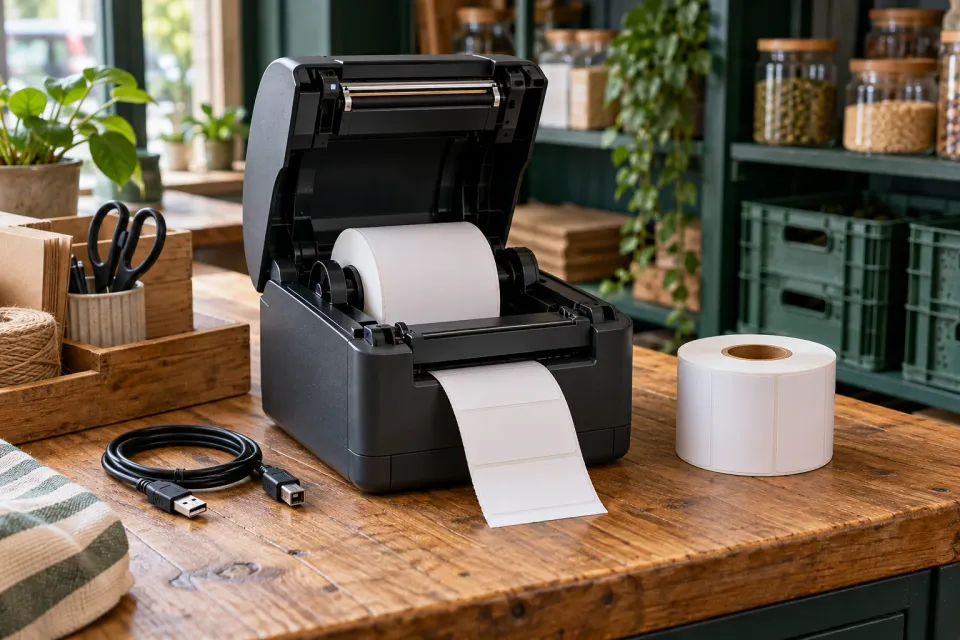
Consider a fictional business advertising a label printer in ChatGPT. Its email team provides setup guidance on weekdays, and the manufacturer handles product faults. A shop plans to use the printer at weekends. This hypothetical example illustrates the buying decision; the arrangements are not real support terms.
| What the buyer needs to know | What the page must clarify |
|---|---|
| Can someone help when the shop opens on Saturday? | Staffed hours and whether weekend help exists |
| Will you install the printer for me? | Whether support means instructions, a remote session or installation |
| Who handles a printer that stops working? | The first contact and responsibility for further assessment |
The shop can now assess whether weekday assistance is sufficient. If there is no weekend service, state that beside the support explanation. The point is to make the actual arrangement visible while the customer can still choose, rather than leave support staff to correct an expectation after payment.
Four answers behind the support promise
- Covered help
Which problems does the team handle, and what help does it provide?
- First owner
Who receives the case after purchase, and how does the customer reach them?
- Staffed hours
When does someone work on the request, and what does a first response mean?
Checkpoint - Further help
What does the customer do if the first action fails, and who provides updates?
Checkpoint
Explain what happens when the first answer fails
An escalation route tells the customer how to obtain further help when an initial suggestion does not work or the problem needs different expertise. It does not require a chart of internal teams. It requires a next action that the customer can follow.
Describe the real route: reply to the existing case, request another assessment or contact a specified function. If a reference number is needed, show where to find it. Put detailed diagnostic instructions in the support material so the buying page remains readable.
Also say who provides updates while another party investigates. A manufacturer may need to assess the product without making the customer responsible for coordinating every exchange. Do not promise a fixed resolution time that depends on an unconfirmed response from someone else. Explain the update the business can actually provide.
Check the promise from the live destination
OpenAI’s Campaign Management documentation describes a standard chat_card ad as supplying creative content and a landing-page URL. For the advertiser, the useful editorial check is to follow that destination and inspect the support explanation the customer reaches.
When an ad highlights personal assistance, the page should define what that assistance includes. Keep decisive limitations with the promise and before the order action. The guide to placing customer questions beside the relevant decision covers location; the support statement still needs an accurate owner, scope and availability.
Have the support owner review the finished wording against two cases: a request outside staffed hours and a problem requiring a handover. Check contact links, supported languages and differences between advertised products. Assign responsibility for updating the copy when staffing or partner arrangements change. The customer should recognise the promised support when they need to use it.
Sources and scope
Help advertisers explain support coverage, responsibility, availability and escalation on the destination so buyers can assess the help available after purchase.
Working methods and examples are editorial suggestions. Check current platform requirements and available features before implementation.