Write for the reason they visit
Hints written for 'where should we go', not for cuisine keywords
ChatGPT ads for cafés and restaurants
A quiet coffee. Dinner with friends. Somewhere to celebrate. Create sponsored ads for the experiences your venue offers, separate from ChatGPT’s answers.
First campaign free. No credit card needed.
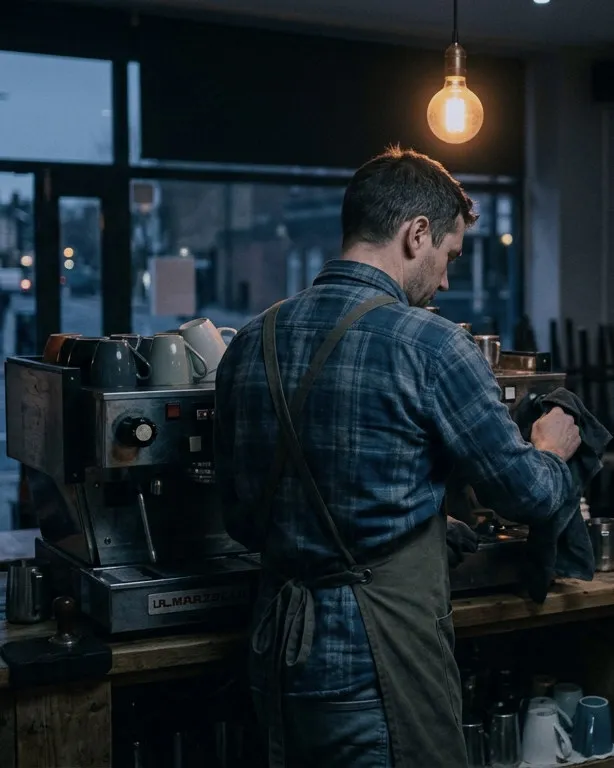 A place people make plans around
 “I am meeting a friend I have not seen for ages. We want somewhere relaxed for coffee and a proper catch-up.”
Illustrative exampleHints written for 'where should we go', not for cuisine keywords
Chat cards that match the room, checked before OpenAI's review
Campaign history to follow impressions, clicks and spend
A catch-up, a quiet hour or a weekend treat. Give each reason to visit its own message, grounded in what your venue actually offers.
“I am meeting a friend I have not seen for ages. We want somewhere relaxed for coffee and a proper catch-up.”
A relaxed café for coffee with a friend
The occasion is a conversation with a friend. The ad puts the atmosphere and experience first, with a page that shows the venue.
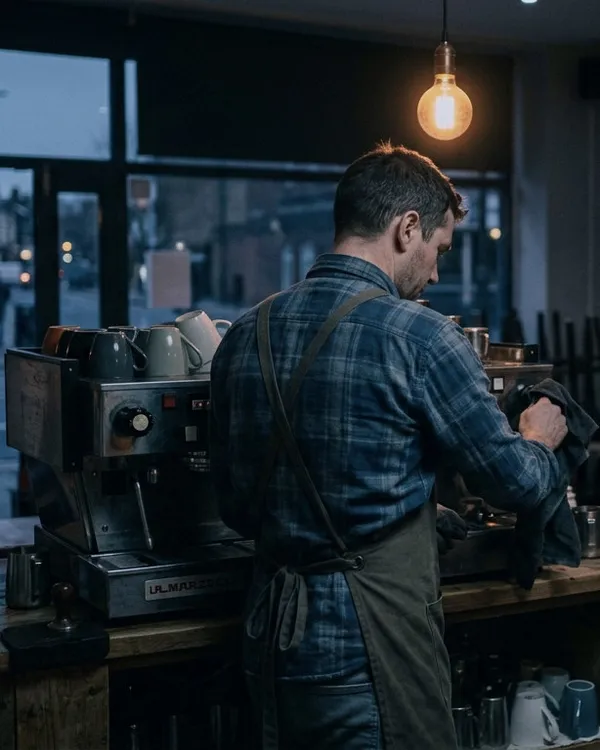 Sponsored
“I have an hour between appointments and a book with me. Where could I sit down for a coffee?”
A café for a coffee and some reading time
A short visit depends on practical details. The message leads to the venue and hours without promising a free seat or a quiet room.
Sponsored“We are going for a walk this weekend and would like to finish with coffee and something freshly baked. Any ideas?”
Weekend coffee and pastries after a walk
The customer is planning around food and an occasion. A relevant menu gives them something concrete to consider before visiting.
SponsoredFictional campaign examples. Ads are separate from ChatGPT’s answers. Actual appearance and placement may vary.
Google gets "brunch stockholm" and "best coffee near me." ChatGPT gets the constraint: a laptop, a catch-up, a late kitchen, a place that isn't a chain. Hints can add relevant context about those needs. They do not guarantee that a particular conversation will trigger an ad.
Category terms to expand with a customer need.
Illustrative situations for planning a visit.
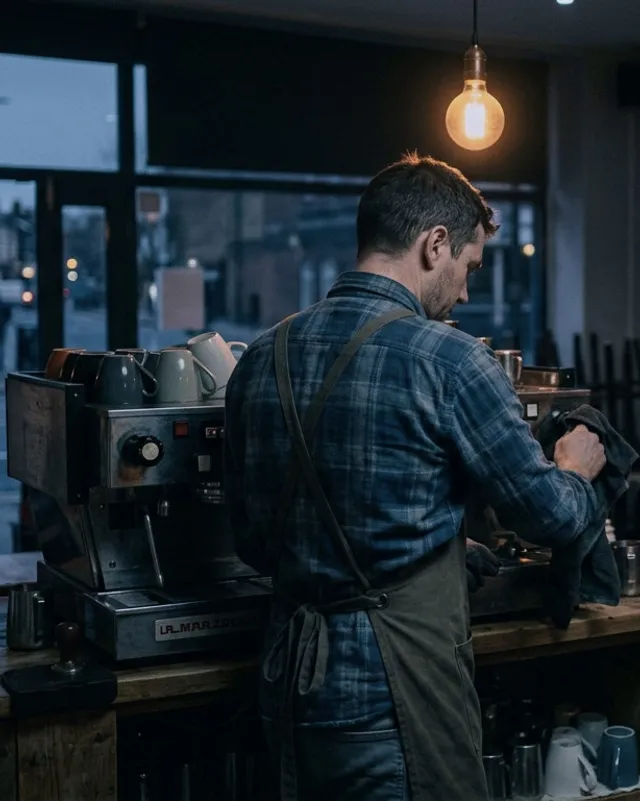
Your business is the starting point.
Share your website and review the brand profile. Your menu, venue information and existing story become the starting point for the campaign.
Review grouped targeting ideas and ad copy. Focus on the visits your business can welcome, with claims supported by your own pages.
Check the ad, imagery and destination together before submission. Direct people to useful menu, venue or booking information that matches the message.
We read the pages that describe the room, the hours, the neighbourhood. Hints get grouped by intent (meeting someone, working, a late table), each with a card and a one-line reason. You approve a brand profile in plain language, not an ads taxonomy. First campaign is free.
Ad spend is separate. Publishing requires an eligible ad account and platform approval.
See how a customer situation can shape the copy, supporting detail and destination of a campaign draft.
Read the guide02Review the information a visitor needs to consider your venue and complete the action your ad asks for.
Read the guide03Decide what to advertise, where the ad should lead and what you want to learn before building your campaign.
Read the guideFirst campaign free. Paste the site. We write the targeting from it.
Build my campaign freeAd spend is separate. Publishing requires an eligible ad account and platform approval.