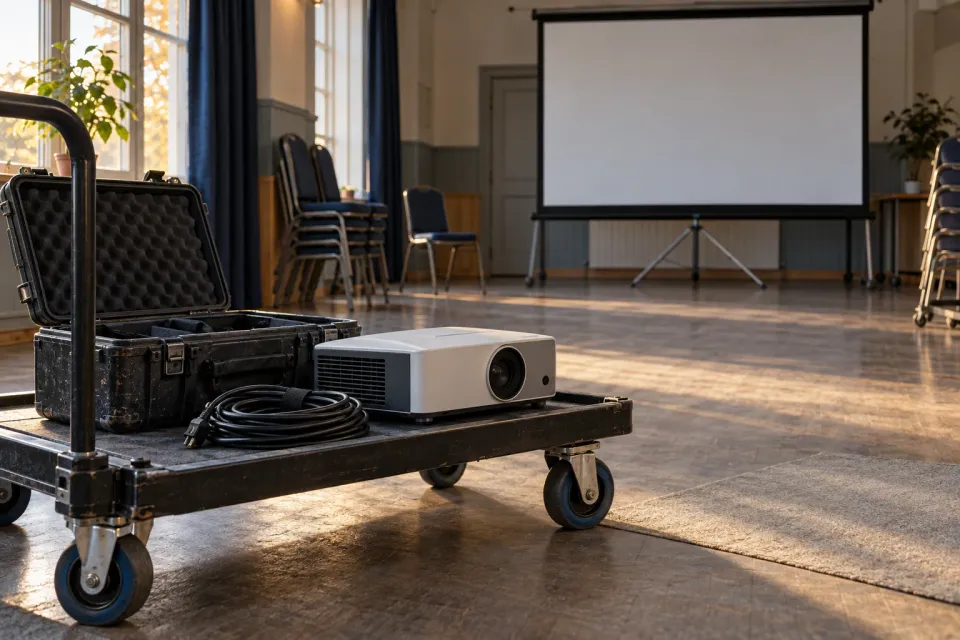
The same projector can be hired for an afternoon workshop, a week of rehearsals or an exhibition whose closing date is uncertain. A category-only campaign brief treats those as one need. A duration-led brief asks different questions: when does the customer need possession, how fixed is the end date and what happens if the project changes?
For ChatGPT rental advertising, those questions can shape a more precise offer and message. They do not establish which conversations will show an ad. The planning examples here are fictional; check the actual rental terms and the current platform requirements before using them. OpenAI’s targeting guidance explains the documented role of contextual descriptions.
Start with the possession window
Ask for the full period the customer needs the item, not merely the hours it will be switched on. An afternoon event may require collection the previous day, setup in the morning and return the following day. The rental period and the event duration are not automatically identical.
For the brief, write a simple timeline: collection or delivery, preparation, use, dismantling and return. Check which stages affect the actual offer. This is not a universal rental rule. Different businesses define charging and return periods differently, so the advertiser must verify the terms that apply.
An ad about “equipment for a one-day event” can describe a use case. “Only pay for the hours you use it” makes a pricing claim. Do not let the first idea drift into the second unless the actual rental arrangement supports it.
An afternoon event may require a longer possession window
- Before use
Check collection, delivery and preparation.
- During the event
Use time is one part of the customer's requirement.
- Afterwards
Dismantling and return may affect the required period.
Separate three decision patterns
A fixed short booking, an extended project and an uncertain end date should not be compressed into one promise of “flexible hire”. They can require different arrangements.
| Situation | Customer’s planning question | Offer fact to confirm |
|---|---|---|
| One event with fixed dates | Can possession cover setup and return? | Collection and return conditions |
| A longer defined project | Can the item be retained for the full period? | Available rental periods and included services |
| Work with an uncertain finish | What happens if the end date moves? | Extension process and any availability conditions |
The table is a brief-building aid, not evidence that a rental business offers all three. If extensions are subject to approval and availability, the message should not imply an unrestricted right to keep the item.
Write the offer before the headline
Describe one arrangement in plain language. For example: “A rental enquiry for projection equipment covering the customer’s stated event and preparation dates, with availability confirmed by the provider.” That description is less polished than ad copy but makes the commitment clear.
Now choose the message direction. A fixed-event brief might lead with checking suitable equipment for the event dates. An extended-project brief might lead with the rental period that is actually available. An uncertain-duration brief may need to explain how extensions are discussed rather than promoting unlimited flexibility.
Keep price, deposit and damage terms in the underlying offer review. This article does not interpret those terms or provide a contract template. It asks the writer not to erase conditions while describing the rental. Use the claim evidence matrix for statements such as included delivery, no deposit or cancellation flexibility.
Describe the use case without inventing availability
A contextual draft might describe “temporary projection equipment for a scheduled workshop with setup time before the session”. That explains why rental is relevant. It should only accompany an offer that can support the intended equipment and arrangement.
Avoid turning an event scenario into a stock promise. “Projectors available for every event date” is a different claim from describing event use. The creative should remain accurate when viewed independently of the customer’s exact schedule.
Use the product-to-use-case worksheet to connect the equipment to the task. Add duration as the constraint only where it changes the decision. Keep the event’s length and the agreed rental period as separate notes. Otherwise, “weekend event” can quietly become a promise about Friday collection or Monday return, although neither arrangement has been confirmed.
Choose an honest action
If the next step is an availability enquiry, say so. If a confirmed reservation is actually possible, the action can reflect that. A rental advertiser should not invite “instant confirmation” when the business must first check stock, transport or dates.
Compare the action with the possession timeline. A customer may know the event date but not the collection requirement yet. The ad can invite the relevant discussion without pretending that every detail is settled. The commitment review helps distinguish asking about a period from reserving it.
Before approving the campaign brief, have someone responsible for bookings review the three most important statements: the period described, the availability implied and the action offered. Ask them to identify a realistic case where the wording would fail. A fixed return time or a non-guaranteed extension can expose an overbroad phrase quickly.
Keep that exception in the brief and choose a message that remains accurate. The finished rental ad should make the customer’s next planning step clearer. It should not make uncertain dates, stock or terms disappear through optimistic wording.
Sources and scope
Building a rental campaign brief around the customer's required period rather than the equipment category alone.
Working methods and examples are editorial suggestions. Check current platform requirements and available features before implementation.